Veneers
What Are Dental Veneers?
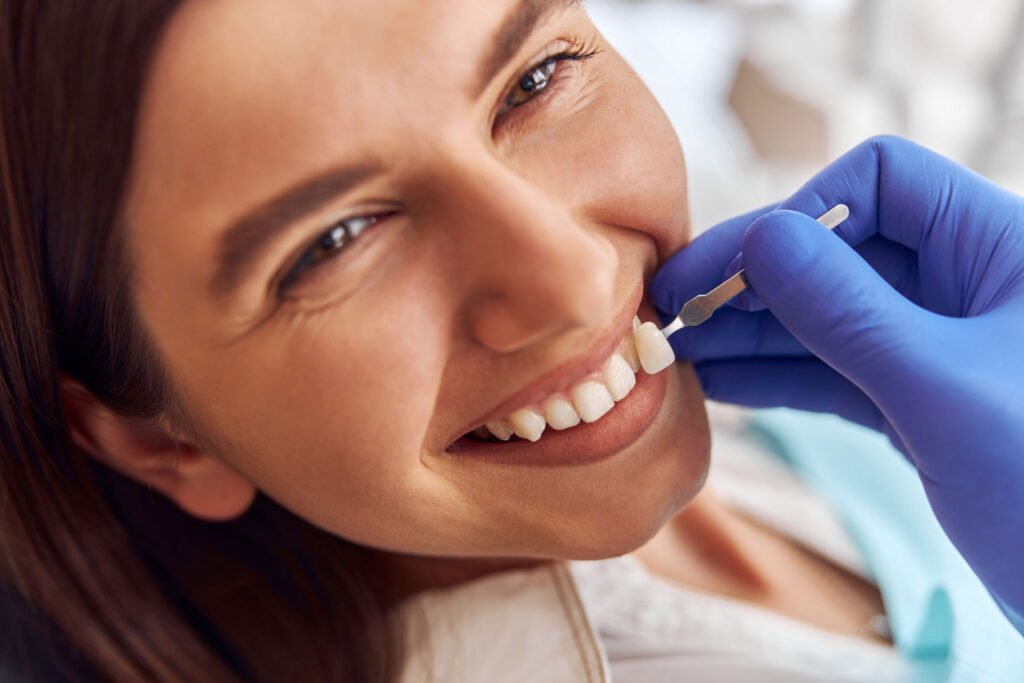
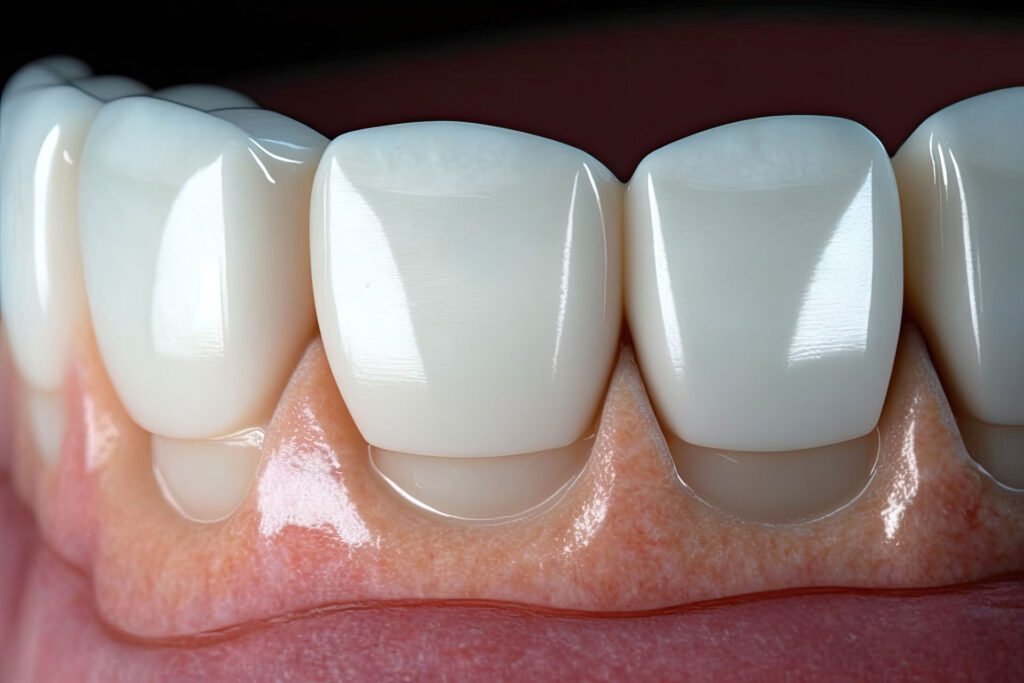
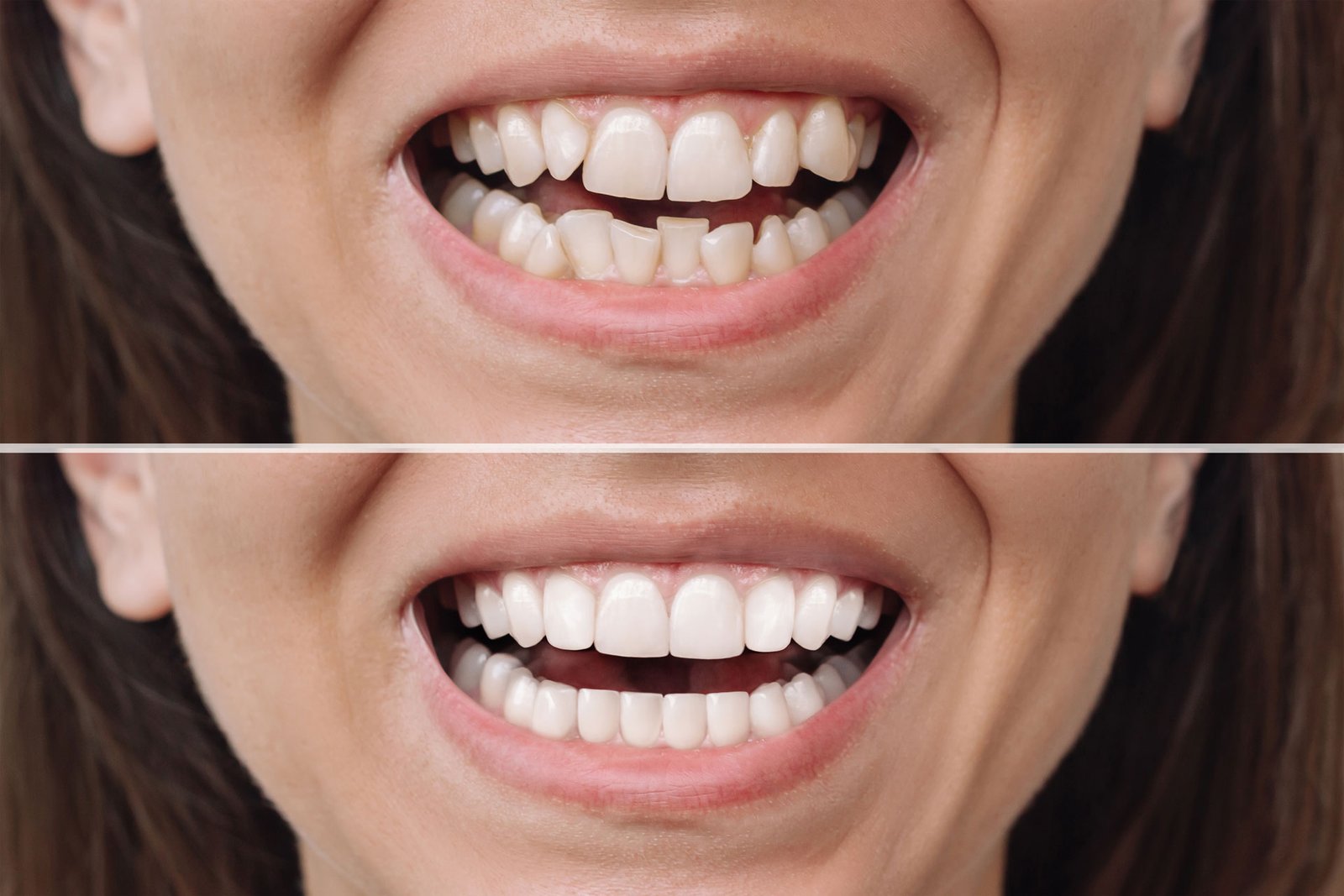
Dental veneers cover the front surface of the teeth to solve various health and aesthetic problems such as broken or protruding teeth, teeth with coloured difference that cannot be corrected, smaller teeth, or large gaps between teeth. Unlike dental crowns, veneers are placed only on the front surface of the tooth, while crowns cover the entire tooth. Dental veneers are often used on the front teeth, with multiple veneers providing the best aesthetic results.
Types of Dental Veneers
Dental veneers are usually made of ceramic materials like porcelain or zirconium, or a special composite resin. Placement typically requires preliminary tooth preparation, including filing, which can sometimes reach the enamel and necessitate the use of anaesthetic. The extent of filing depends on the tooth’s problems and the type of veneer to be placed. Some veneers require no or minimal preparation.
Porcelain or Zirconium Veneers?
Porcelain veneers
Porcelain veneers are preferred for their physical and aesthetic qualities. They closely resemble real teeth, are well tolerated by the body, do not change colour from food and drinks, and they stick extremely well. With proper care, they can last up to twenty years. However, they are not recommended for patients with bruxism due to the risk of breakage from clenching.
Zirconium veneers
Zirconium veneers are less popular due to disadvantages of zirconium as a material. First of all, zirconium has worse aesthetic qualities than porcelain because it is opaque. This problem is already starting to disappear with the introduction of newer zirconium alloys. Zirconium is also more difficult to bond. The reason for this is that this material is extremely resistant and cannot be etched. This is the process where the surface of the veneer is roughened so that the cement can bond better to the tooth. That is why the danger of zirconium veneers falling is greater.
Conventional zirconia veneers also have a shorter service life – about seven years. The new zirconium alloys are likely to last longer, but it’s not long enough since they came out to know by how much.
Composite resin veneers
Composite resin veneers are made from a special resin applied in thin layers and cured with ultraviolet light. Several layers may be needed to achieve the desired result. Then, the resin is cured or hardened by a special ultraviolet light.
No-prep veneers
No-prep veneers require minimal preparation, are made from porcelain, and often do not need anaesthesia or temporary veneers. They affect only the tooth’s enamel.

Process of Placing Dental Veneers
The process starts with a consultation to determine if you are a suitable candidate for dental veneers. Discuss your goals and whether veneers can achieve them. Pre-requisites include any necessary orthodontic treatment and ensuring your teeth and gums are healthy, verified by a panoramic x-ray.
The placement requires two visits. The first visit involves preparing the teeth and creating a model using a cast or CAD/CAM scanner. This model is sent to a dental lab to make the veneers. The second visit involves cleaning the teeth and permanently placing the veneers after ensuring they fit correctly.
Care for Long-Term Use of Dental Veneers
Adjusting to dental veneers is quick, but care must be taken not to injure numb areas if anesthesia was used. Any bumps felt are likely from excess cement, which will fall out within a few days.
To enjoy long-lasting veneers, follow these rules:
- Do not chew on hard objects (e.g., ice cubes, fingernails).
- Avoid chewing with teeth that have veneers.
- Do not use your teeth to open packages.
- Avoid contact sports or use a mouth guard.
Cost of Dental Veneers
When considering dental veneers, cost is a significant factor that can influence your decision. The price of veneers varies considerably between the UK and Bulgaria. The cost of dental veneers in Bulgaria is significantly lower than in the UK, often by more than 50%. Bulgaria provides significant cost savings and high-quality care.
| Country | Price |
|---|---|
| USA | $7,000–$10,000 |
| UK | £5,000–£8,000 |
| Turkey | €2,500–€4,500 |
| Bulgaria / Eastern Europe | €3,000–€5,000 |
Get a free price quote customized to your treatment goals and travel preferences.
Final Thoughts
Dental veneers offer a fantastic solution for those looking to enhance their smile and correct various dental imperfections. With options ranging from porcelain and zirconium to composite resin, you can choose the type that best suits your needs and lifestyle. Understanding the process, from the initial consultation to the final placement, and knowing how to care for your veneers, ensures long-lasting results and a confident smile.
We invite you to explore the options available and take the first step towards achieving a beautiful smile. For more detailed information and personalized advice, fill out our contact form today and schedule your consultation. Click here to get started and discover how dental veneers can transform your smile.
Our team is here to answer any questions and help you determine the best treatment plan for your needs!!!
How Do We Work
Our process is designed to make your breast augmentation journey smooth, informed, and successful:
Contact us
Online consultation
Book the procedure
Travel to the clinic
Procedure
Hospital stay
Take your after care plan
Flight home
By partnering with experienced cosmetic surgeons and providing comprehensive support, we help you achieve the best possible results with confidence and peace of mind.
Get a free price quote customized to your treatment goals and travel preferences.
Frequently Asked Questions
What are dental veneers used for?
Dental veneers correct teeth with aesthetic issues or minor defects like cracks and chips.
Which teeth are suitable for dental veneers?
Front teeth are most suitable for placing dental veneers.
What materials are dental veneers made of?
Popular materials are porcelain, zirconium, and composite resin.
Are teeth destroyed to get veneers?
The placement of dental veneers requires some filing of the tooth, about half a millimeter, which is irreversible.
How durable are veneers?
With proper care, veneers can last up to twenty years.
How do I know if I'm a good candidate for dental veneers?
Take advantage of our online consultation > HERE
Online Consultations
You can now speak directly with top-rated plastic surgeons from the comfort of your home. Book a virtual consultation or view surgeon availability now.
Ready to take the next step? Book a consultation, request more info, or join our newsletter for breast augmentation updates and offers.
Subscribe to newsletter
Other Related Procedure: