
Dentures
Dentures are a popular solution for individuals who have lost some or all of their natural teeth.Are you embarrassed by your smile, avoiding your favourite foods, and constantly covering your mouth when you laugh? It doesn’t have to be this way! If you’re missing some or even most of your teeth, dentures could be the perfect solution for you.
They provide a functional and aesthetic replacement that can significantly improve the quality of life. In this comprehensive guide, we’ll explore the different types of dentures, their benefits, costs, procedure details, alternatives, and essential care tips.
What Are Dentures?
Dentures are custom-made replacements for missing natural teeth, designed to closely imitate real teeth and restore their function in your mouth. Not only do they help you chew and speak properly, but they also enhance your appearance, boosting your confidence. There are various types of dentures available, each tailored to meet specific needs and ensure the best possible results for your unique situation.
They are made to fit your mouth and can replace a few missing teeth (partial dentures) or all of your teeth (full dentures) on your upper or lower jawline. Dental technicians make dentures using a variety of materials, including acrylic plastic, porcelain, and occasionally metal.
Why do I need a Dentures?
Dentures are needed by anyone who loses some or all teeth, not just the elderly. Losing teeth can be emotionally challenging since they are a permanent part of our bodies.
If you’ve lost some or all of your natural teeth, dentures can help your smile and allow you to enjoy your favourite foods without difficulty. They help you maintain normal eating habits by enabling proper chewing.
Dentures also provide support for your cheeks and lips, preventing your face from looking sunken. Additionally, they offer a great solution for replacing painful and damaged teeth, giving you comfort and confidence.
Types of dentures
In dentistry, there are around 20 different types of dental prostheses. Some are well-known to patients, while others are specialised and used for more complex cases. We’ll walk you through the most common and widely used dental prostheses.
Full Dentures
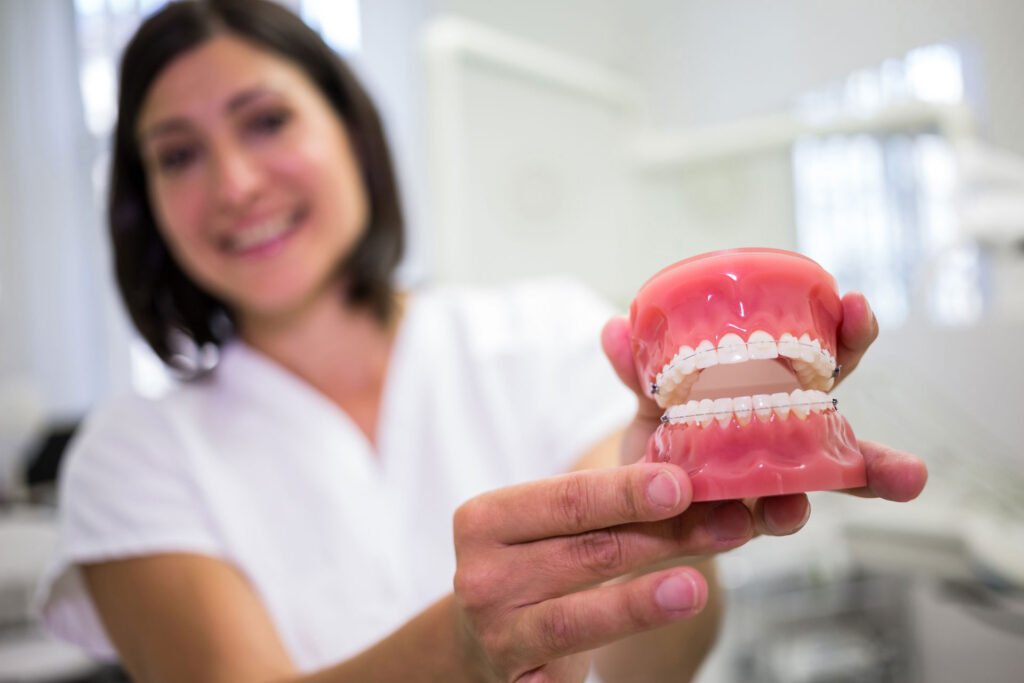
Full dentures, also known as complete dentures, are used when all of the natural teeth in either the upper or lower jaw are missing. They consist of a flesh-coloured acrylic base that fits over your gums. The upper denture covers the roof of your mouth, while the lower denture is shaped like a horseshoe to accommodate your tongue. The base of the dentures is where the acrylic teeth are crafted, designed to closely resemble natural teeth. Essentially, these acrylic teeth become your new set of teeth, giving you a natural and confident smile.
Partial Dentures
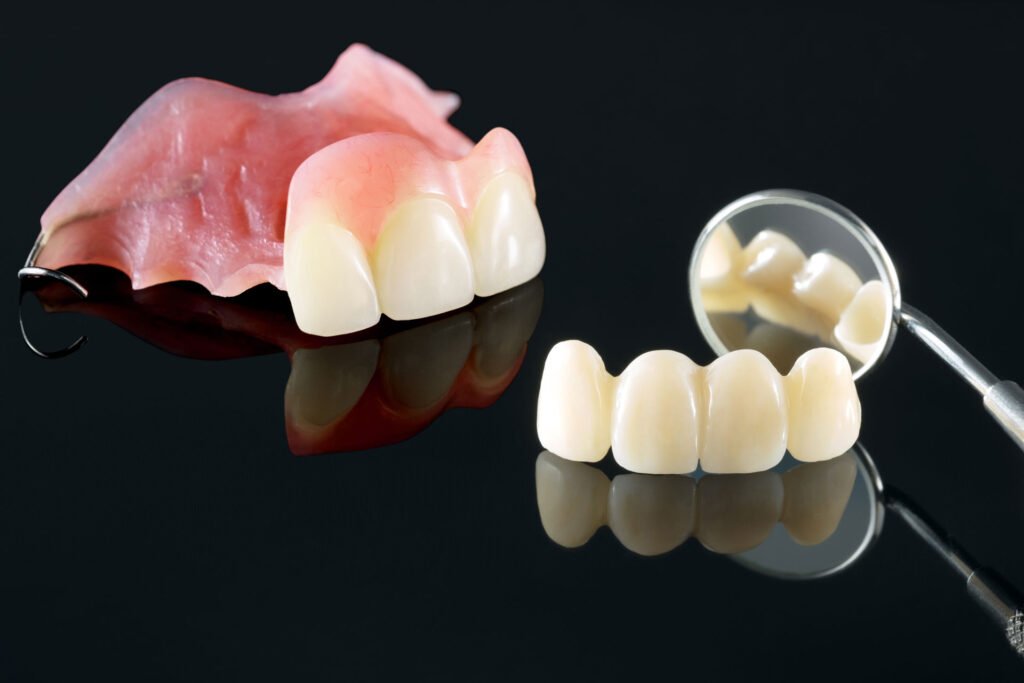
Partial dentures are a great option if you still have some of your natural teeth. They are made with a metal framework that securely holds acrylic or porcelain teeth. The framework which can be made from plastic or metal includes clasps that attach to your natural teeth, keeping the partial denture firmly in place. |f you compare the base, the one who are made from metal are stronger and lighter but they are little bit more expensive.
Immediate (Temporary) Dentures
Some people need to extract few teeth before they can wear dentures. Immediate dentures are placed right after your teeth are extracted. They serve as a temporary solution while your gums heal and before your permanent dentures are made.
Implant Retained Dentures
Implant-retained dentures are securely anchored to dental implants placed in the jawbone, providing a stable and comfortable fit compared to traditional dentures that rest on the gums.
During the implant placement surgery, small titanium posts are inserted into the jawbone to act as artificial roots. After several months of healing, where the implants fuse with the bone through osseointegration, custom-made dentures are attached to the implants.
These dentures can be either removable, snapping onto the implants for easy cleaning, or fixed, which can only be removed by a dentist.
Implant-retained dentures offer significant benefits, including increased stability and comfort, improved ability to eat, speak, and smile confidently, and prevention of bone loss by stimulating the jawbone. They also provide a natural appearance, closely matching the look of real teeth.
Proper care involves regular brushing, flossing, professional dental check-ups, and avoiding hard or sticky foods to ensure the longevity of the dentures.
Overall, implant-retained dentures are an effective solution for missing teeth, offering superior function and aesthetics compared to traditional dentures.
Implant-Supported Dentures
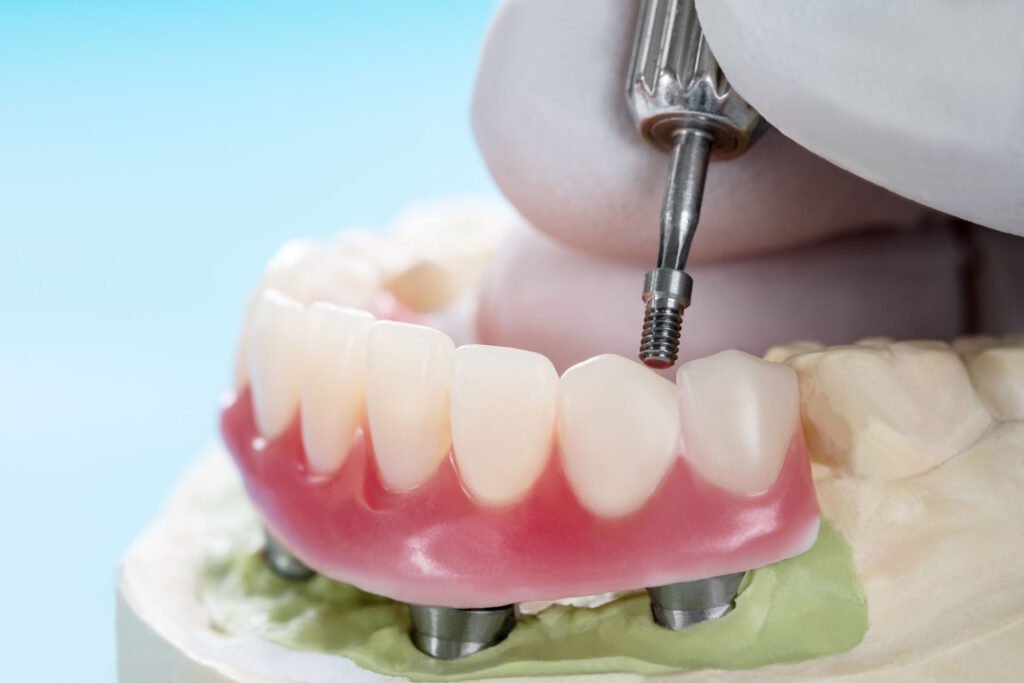
Implant-supported dentures are a type of overdenture that is securely fixed to dental implants embedded in the jawbone, unlike traditional dentures that rest on the gums.
This secure connection offers greater stability, preventing issues such as slipping and discomfort commonly associated with conventional dentures. The key components of implant-supported dentures include dental implants, abutments, and the prosthetic teeth attached to these abutments.
The process starts with a consultation and planning phase, where your dentist evaluates your oral health and creates a tailored treatment plan. During the implant placement surgery, small titanium posts are inserted into the jawbone under local anesthesia. After a healing period of several months, during which the implants fuse with the bone, custom-made dentures are attached to the implants.
There are two main types of implant-supported dentures: bar-retained dentures, which clip onto a metal bar attached to the implants, and ball-retained dentures, which snap onto ball-shaped attachments on the implants. These dentures offer significant benefits, including enhanced stability, improved functionality, bone preservation, aesthetic appeal, and long-term durability.
Proper care, including regular oral hygiene, professional check-ups, and avoiding hard foods, is essential to maintain the longevity of implant-supported dentures. Overall, they provide a stable, comfortable, and durable solution for those who have lost multiple teeth, significantly improving both function and appearance.
Consulting with your dentist can help you determine the best treatment plan for your needs. CONTACT US NOW!!
Overdentures
Overdentures are removable dentures that fit over a few remaining natural teeth or dental implants, offering more support and stability than traditional dentures. They rely on these teeth or implants to anchor them in place, providing a secure and comfortable fit.
If you have healthy teeth left, your dentist can modify them to support the overdenture, often by reshaping them and adding protective caps. For those without enough natural teeth, dental implants can be surgically placed into the jawbone to act as sturdy roots.
The benefits of overdentures include increased stability and comfort, as they are less likely to move around. They also help preserve the jawbone by stimulating it, which prevents the bone loss that often occurs with missing teeth.
Overdentures improve functionality, making it easier to eat, speak, and smile with confidence, and they are custom-made to match your natural teeth for a more natural appearance. Additionally, maintaining some natural teeth helps keep the jaw and face structure intact, contributing to better overall oral health.
The Denture Procedure
Initial Consultation
Your journey begins with an initial consultation with your dentist. As we offer online consultations you can take advantage of them. Before that consultation you can send us X-rays if you have which are no older that 3 months. During the consultation you will discuss all the details and concerns which you might have, ask questions and express your expectations.
The next step is to visit the dental clinic, where the dentist will evaluate your oral health by examining your gums, remaining teeth, and overall oral health. They will take impressions of your mouth and then will design your custom dentures.
Tooth Extraction (if needed)
If you have remaining teeth that need to be removed, the dentist will perform the extractions. Your dentist will ensure you’re comfortable during this procedure, typically using local anaesthesia. In the case of immediate dentures, the dentures will be prepared in advance and placed immediately after the extraction.
Impressions and Measurements
Once your gums have healed sufficiently, the next step involves taking precise impressions and measurements of your mouth. These are critical to ensure your dentures fit perfectly and comfortably. The impressions are sent to a dental lab where your custom dentures will be made.
Trying In and Adjustments
When your dentures are ready, you’ll have a fitting appointment:
- Initial Fit: Your dentist will place the dentures in your mouth to check the fit and comfort.
- Adjustments: Minor adjustments may be made to ensure the dentures fit well and do not cause any discomfort or irritation.
Final Fitting
After the necessary adjustments, you’ll have a final fitting. Your dentist will ensure that the dentures fit snugly and comfortably, and that you can speak and eat properly with them.
Learning to Use Your Dentures
Wearing dentures will feel different at first, and it may take a little time to get used to them. Your dentist will provide you with tips on how to:
- Eat and Speak: Start with soft foods and practice speaking until you feel more comfortable;
- Maintain Oral Hygiene: Proper cleaning techniques for your dentures, as well as maintaining good oral hygiene, will be explained.
Benefits of Dentures
Dentures offer numerous benefits that can significantly improve your quality of life including:
- Overall, dentures can greatly improve both your functional abilities and your self-esteem:
- They restore your ability to eat a variety of foods, improving nutrition and overall health.
- By filling out the facial structure, they provide a more youthful appearance and prevent the sunken look that often accompanies tooth loss.
- Dentures are made to fit your mouth precisely, providing comfort and stability;
- Dentures also help you speak more clearly, boosting your confidence in social situations:
- Overall, dentures can greatly improve both your functional abilities and your self-esteem.
Cost of Dentures
The cost of dentures varies based on several factors, including the type of denture, materials used, and the complexity of the case.
When comparing the cost of dentures between England and Bulgaria, there are noticeable differences, primarily due to the varying costs of living and healthcare systems in each country.
In England, the cost of dentures can be quite high. The cost can range from £500 to £10 000 or more, depending on the type and quality of the dentures.
In contrast, dentures in Bulgaria are generally much more affordable. Prices for a standard set of dentures can range from €200 to €1000, depending on the specific materials used. This lower cost is due to the overall lower cost of living and medical expenses in Bulgaria > PRICE LIST.
Many people find that even with the added cost of travel, getting dentures in Bulgaria can be significantly cheaper than in England. Furthermore, many praise Bulgarian dental clinics for their high standards of care, making them a viable option for anyone seeking quality dental treatment at a more affordable price.
It’s essential to consult with your dentist to get an accurate cost estimate tailored to your specific needs > CONTACT US.
How to take Care for Your Dentures?
Proper care is crucial to maintaining the longevity and functionality of your dentures. Here are some essential care tips:
- After eating, it’s important to remove and rinse your dentures to clear away food debris and loose particles.
- Handle your dentures gently to avoid bending or damaging the plastic or clasps.
- Clean your mouth thoroughly after removing your dentures by using a soft-bristled toothbrush on your natural teeth and a soft toothbrush or gauze on your tongue, cheeks, and the roof of your mouth. Remove any dental adhesive left on your gums.
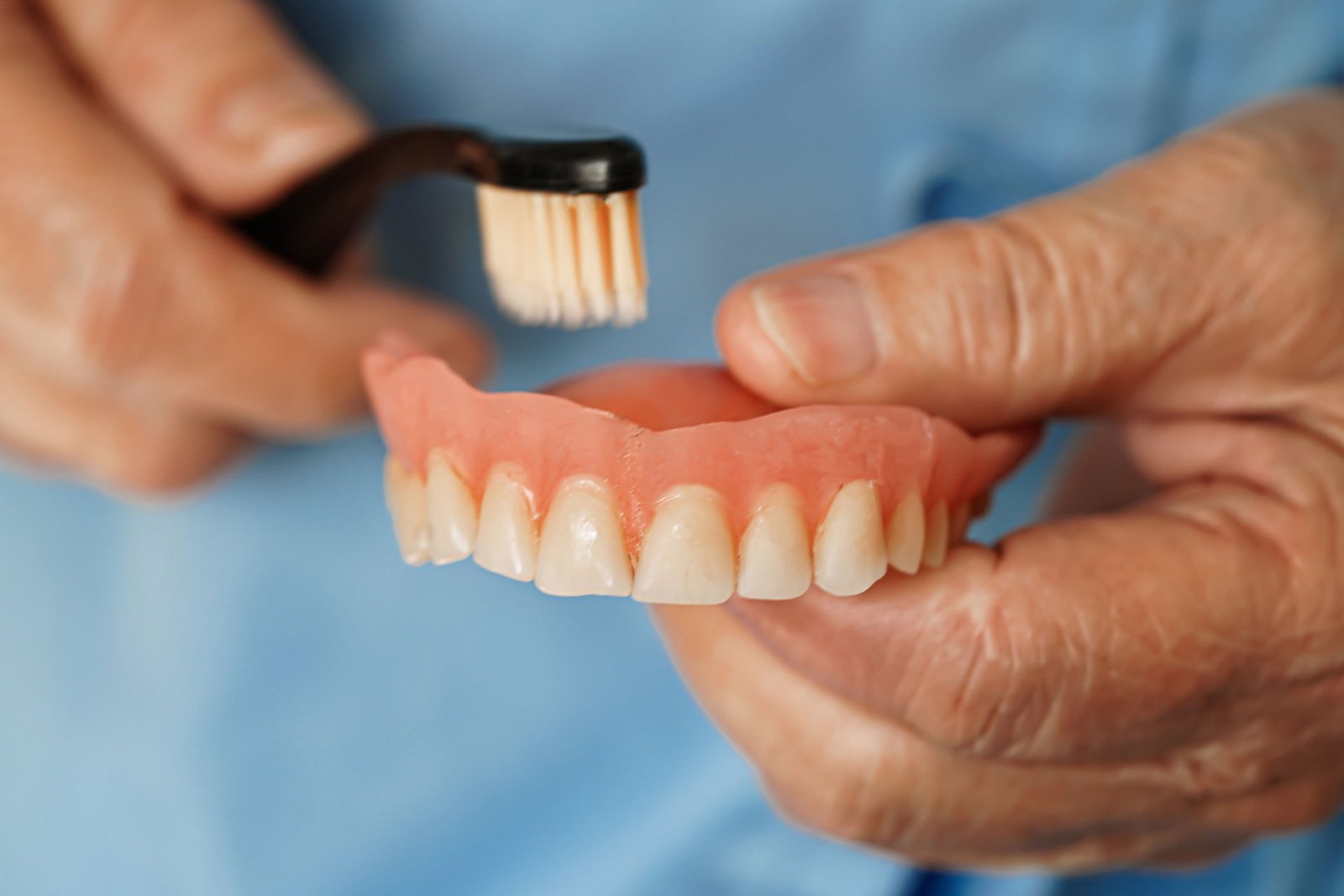
- Brush your dentures daily by taking them out and using a soft-bristled brush with a non-abrasive denture cleanser. This routine helps eliminate food, plaque, and other deposits. If you use denture adhesive, make sure to clean the grooves thoroughly to remove any residue.
- Avoid using denture cleansers inside your mouth.
- Soak your dentures overnight in water or a mild denture-soaking solution to keep them moist and maintain their shape. Follow the manufacturer’s instructions and consult your dentist on proper overnight storage.
- Always rinse your dentures thoroughly before wearing them again, especially if using a soaking solution, as these can contain harmful chemicals.
- Schedule regular dental checkups to ensure your dentures fit well, are comfortable, and your mouth remains healthy. If your dentures become loose, see your dentist immediately to prevent irritation, sores, and infections. Your dentist may adjust (reline) or replace them to ensure a proper fit.
- Avoid using abrasive cleaning materials, such as stiff-bristled brushes, strong cleansers, and harsh toothpaste, as these can damage your dentures.
- Whitening toothpaste and products containing bleach should also be avoided, as they can weaken and discolour your dentures.
- Do not soak dentures with metal parts in solutions with chlorine, and avoid hot or boiling water to prevent warping.
Conclusion
Dentures are a highly effective solution for restoring missing teeth, offering both functional and aesthetic benefits. Whether you need full, partial, or implant-supported dentures, understanding your options and how to care for them is essential for maintaining a healthy and confident smile. With proper care and regular dental check-ups, your dentures can provide you with a beautiful and functional smile for years to come.
If you have any further questions or are considering dentures, consult with US to find the best solution for your needs. CONTACT US !!
Alternatives to Dentures
Dental Implants
Dental implants are a permanent solution for missing teeth. They involve surgically placing a titanium post in the jawbone, which acts as a root for a replacement tooth. Implants offer excellent stability and a natural look but can be more expensive than dentures.
READ MORE ABOUT DENTAL IMPLANTS
Dental Bridges
A dental bridge is used to replace one or more missing teeth. It consists of artificial teeth anchored by crowns on the adjacent teeth. Bridges are less invasive than implants but require healthy surrounding teeth for support.
Get a free price quote customized to your treatment goals and travel preferences.
How Do We Work
Our process is designed to make your breast augmentation journey smooth, informed, and successful:

Contact us

Online consultation

Book the procedure

Travel to the clinic

Procedure

Hospital stay

Take your after care plan

Flight home
By partnering with experienced cosmetic surgeons and providing comprehensive support, we help you achieve the best possible results with confidence and peace of mind.
Get a free price quote customized to your treatment goals and travel preferences.
Frequently Asked Questions
How long does it take to get used to dentures?
It typically takes a few weeks to a few months to get used to wearing dentures. Initially, you may experience some discomfort and difficulty speaking or eating, but this usually improves with time and practice.
Can I sleep with my dentures in?
While it’s possible to sleep with your dentures in, it’s recommended to remove them at night to allow your gums to rest and to prevent potential oral health issues.
How often should dentures be replaced?
Dentures usually need to be replaced every 5 to 10 years due to normal wear and changes in the shape of your mouth.
Can dentures improve my speech?
Yes, dentures can improve speech clarity by filling in gaps left by missing teeth. Initially, you may need some practice to speak comfortably with new dentures.
Are there any dietary restrictions with dentures?
You should be able to eat most foods with dentures, although it’s advisable to start with soft foods and gradually reintroduce harder foods. Avoid sticky or very hard foods that could damage your dentures.
What should I do if my dentures feel loose or uncomfortable?
If your dentures feel loose or uncomfortable, schedule an appointment with your dentist for adjustments. Ill-fitting dentures can cause sore spots and other oral health issues.
Can I use regular toothpaste to clean my dentures?
It’s best to use a non-abrasive denture cleaner rather than regular toothpaste, which can be too abrasive and damage the denture material.
How can I prevent my dentures from staining?
To prevent staining, clean your dentures regularly, avoid foods and drinks that can cause discolouration, and consider using a denture soak solution that helps maintain their color.
Online Consultations
You can now speak directly with top-rated plastic surgeons from the comfort of your home. Book a virtual consultation or view surgeon availability now.
Ready to take the next step? Book a consultation, request more info, or join our newsletter for breast augmentation updates and offers.
Subscribe to newsletter