
Breast Augmentation: Comprehensive Guide to Breast Enlargement Surgery, Implants, Risks, and Recovery
Breast augmentation is one of the most popular and desired procedures in the field of plastic surgery. Often referred to casually as a “boob job,” this procedure is widely recognized and accessible, making it a common choice for those seeking natural-looking results.
Overview
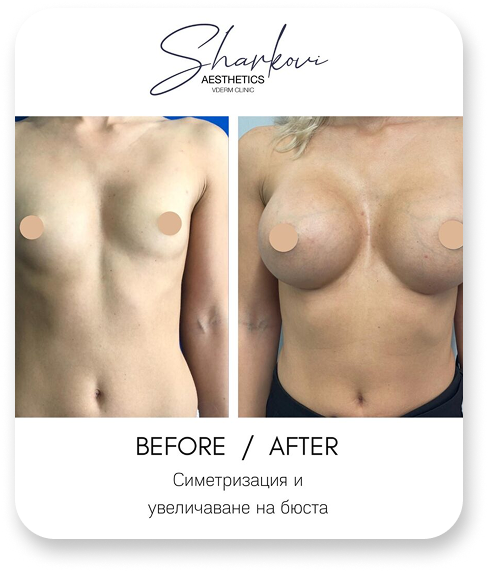
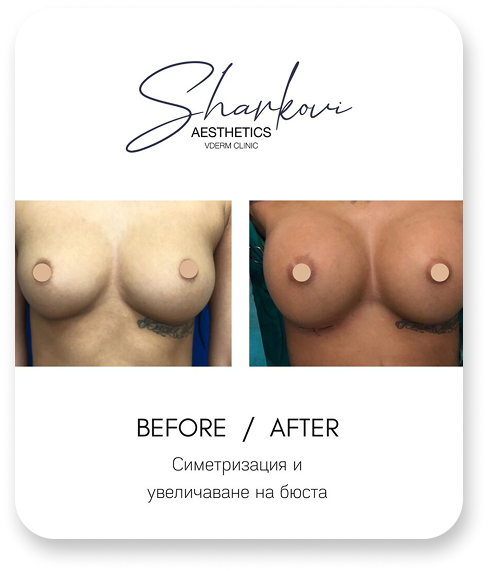
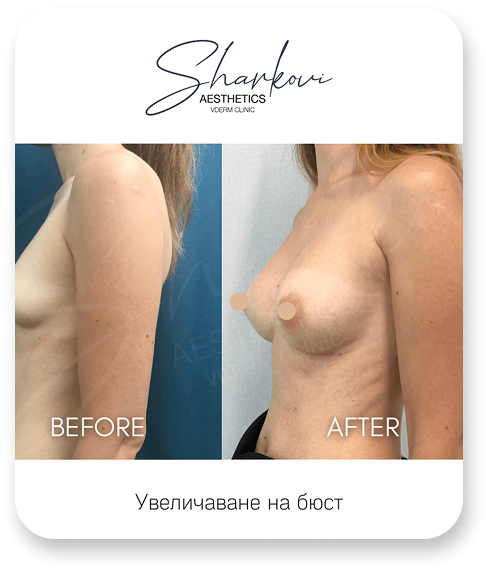
Many women seek breast enlargement to enhance their appearance, boost self-confidence, and achieve a more balanced figure. Among the various cosmetic procedures available, breast enlargement by placing silicone
implants remains the only proven method for a lasting and natural-looking result. These implants not only increase breast size but also improve the shape of the breasts, providing a youthful contour with minimal sagging.
Visually and tactilely, breasts augmented with silicone implants closely resemble natural breast tissue, both at rest and during movement. This realistic feel is largely due to the use of silicone gel-filled implants, which mimic the softness and flexibility of natural breast tissue. The advancements in implant technology, including options like gummy bear breast implants, have further enhanced the aesthetic outcomes of breast augmentation surgery.
Understanding Breast Augmentation Surgery
Types of Breast Implants
The two main types of implants used in breast implant surgery are silicone breast implants and saline breast implants. Silicone implants feel more natural and are less likely to wrinkle than saline implants.
Initial Consultation and Planning
During the initial consultation with a plastic surgeon, patients discuss their desired breast size, shape, and overall goals. The surgeon evaluates factors such as the amount of natural breast tissue, breast skin elasticity, and chest muscle structure to determine the best implant type and placement.
Implant Placement Options
For women with enough breast skin and natural breast tissue, implant placement under the breast tissue may be sufficient. However, in cases where additional support is needed, implants can be placed beneath the pectoral muscle to achieve a more natural contour and reduce the risk of visible implant edges. Implants may also be positioned behind the breast muscle or chest muscles, and the surgeon often separates the connective tissue to create a pocket for the implant, which helps ensure proper placement and optimal results.
Preparation and Planning
Proper preparation and planning are essential for a successful breast enlargement surgery. Before your procedure, you will undergo a comprehensive medical evaluation to confirm you are a suitable candidate for breast enlargement.
This includes a review of your medical history, a physical examination, and a detailed discussion about your expectations and desired breast size and shape.
Your surgeon will provide specific instructions to help you prepare, such as which medications to avoid, when to stop smoking, and how long to fast before surgery.
It’s important to follow these guidelines closely to reduce the risk of complications and support a smooth recovery. Additionally, arrange for someone to drive you home after the procedure and stay with you for at least the first 24 hours, as you may need assistance during the initial recovery period.
By planning ahead and following your surgeon’s advice, you can approach your breast enlargement surgery with confidence and peace of mind.
Types of Breast Implants and Their Benefits
Silicone breast implants
Silicone breast implants are the most commonly chosen option for breast enlargement surgery due to their natural feel and appearance. These implants are filled with silicone gel, which is cohesive and maintains its shape even if the implant shell ruptures.
Gummy bear breast implants
Gummy bear breast implants, a type of silicone implant, are known for their durability and ability to retain shape, making them a popular choice among aesthetic surgeons.
Saline breast implants
Saline breast implants, in contrast, are filled with sterile saline solution and allow for size adjustments during the surgery. While they are less expensive and easier to detect in the event of implant rupture, they may feel less natural compared to silicone implants.
Both types of implants come in various shapes and sizes, allowing customization to meet individual patient needs.
Alternative to traditional breast implants
Another alternative to traditional implants is fat transfer breast augmentation. This technique involves harvesting fat from other parts of the body and injecting it into the breasts to enhance volume and shape.
Fat transfer is ideal for women seeking a modest increase in breast size without the use of implants, offering a more natural option with minimal scarring.
Choosing a Qualified Surgeon
Selecting the right surgeon is one of the most important decisions you will make when considering breast augmentation surgery. A qualified surgeon should have a proven track record in performing breast enlargement surgery and breast implants procedures.
Take the time to research your surgeon’s credentials, review patient testimonials, and seek recommendations from trusted sources who have undergone breast augmentation themselves.
During your initial consultation, a reputable surgeon will listen to your goals, thoroughly assess your breast tissue and anatomy, and explain the options available for breast augmentation.
They should be transparent about the risks, benefits, and expected outcomes, and be willing to answer all your questions.
Choosing a surgeon with extensive experience in breast enlargement and a commitment to patient safety can help ensure a smooth process and satisfying results. By prioritizing expertise and open communication, you can feel confident in your decision and minimize the risks associated with breast enlargement surgery.
The Surgical Procedure and Recovery
Breast augmentation is considered a major surgery that requires careful planning and skilled execution. The procedure typically lasts one to two hours and is performed under general anesthesia.
Incisions are commonly made in the crease under your breast, around the areola, or in the armpit, depending on the surgeon’s recommendation and patient preference.
After implant placement, the surgeon closes the incisions with sutures and applies a surgical bra or sports bra to support the breasts during the initial recovery period.
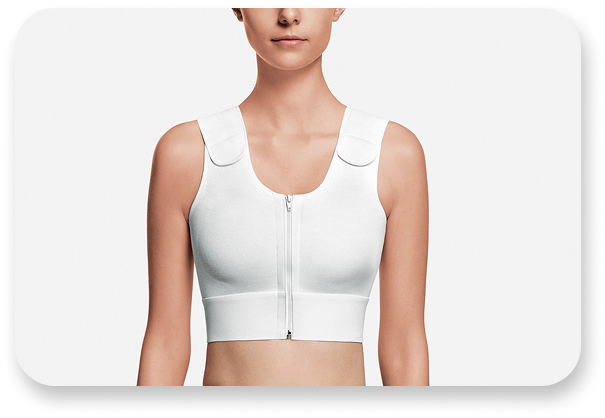
Breast augmentation recovery generally takes a few weeks, during which patients are advised to avoid strenuous exercise and heavy lifting to prevent complications such as implant rupture or capsular contracture.
In the first few weeks following surgery, patients may experience swelling, bruising, and discomfort, which gradually subside. A follow up appointment with the plastic surgeon is essential to monitor healing and remove stitches, ensuring there are no complications. Most people can return to normal activities after 2 to 3 weeks, with breasts looking and feeling more natural after 6 to 9 months. There is also a risk of deep vein thrombosis after surgery, especially during periods of inactivity such as long flights, so it is important to follow movement guidelines to reduce this risk.
Potential Risks and Complications from breast surgery
As with any procedure, breast augmentation surgery carries certain risks and potential complications.
Capsular Contracture
Common issues include capsular contracture, where scar tissue forms around the implant causing hardness and distortion of the shape.
Other Complications
Complications of breast surgery can range from common problems like infection and bleeding to rare but serious risks such as implant-associated lymphoma. A ruptured implant is another concern, which can be detected by changes in their shape, pain, or imaging studies such as MRI or ultrasound.
Ruptured Implant
The implications of a ruptured implant may include silicone gel leakage or deflation in the case of saline implants, often requiring removal or replacement.
Breast Implant Illness
Breast implant illness, a term used to describe a range of systemic symptoms some women experience after breast implant surgery, has gained attention in recent years. Although the exact cause is not fully understood, it highlights the importance of thorough medical diagnosis and patient education prior to surgery.
Breast Implant-Associated Anaplastic Large Cell Lymphoma (BIA-ALCL)
A rare but serious complication associated with breast implants is breast implant-associated anaplastic large cell lymphoma (BIA-ALCL), a distinct form of lymphoma linked primarily to certain implant surface types. This cancerous condition is linked primarily to textured implants and requires prompt medical attention if symptoms such as swelling or lumps develop.
Importance of Regular Screening
Regular breast screening and breast imaging are recommended for women with breast implants to monitor breast health and detect any abnormalities early. Women with breast implants can still develop breast cancer, so regular screening is important for early detection and effective treatment. The cosmetic implant registry helps track implant safety and outcomes, contributing to ongoing research and improved patient care.
Associated Anaplastic Large Cell Lymphoma
Associated anaplastic large cell lymphoma (ALCL) is a rare but serious complication that can develop in the scar tissue surrounding breast implants.
This form of ALCL is estimated to affect approximately 1 in 24,000 individuals with breast implants. While the precise cause is still being studied, there is evidence that certain types of implant surfaces, particularly textured implants, may increase the risk.
Symptoms of ALCL can include persistent swelling, pain, or noticeable changes in the shape of your breast. If you experience any of these symptoms, it is important to contact your surgeon promptly for evaluation.
Regular follow up appointments and breast screenings are essential for early detection and effective management of any potential issues. Your surgeon will guide you on how to monitor your breast health and minimize risks associated with ALCL.
Breast Implant Illness and Systemic Symptoms
Breast implant illness (BII) describes a collection of systemic symptoms that some women report after breast augmentation surgery.
These symptoms can range from fatigue and joint pain to skin rashes and memory difficulties. Although the exact cause of breast implant illness is not fully understood, it is believed that the body’s immune response to the breast implant may play a role.
If you notice persistent symptoms such as joint pain, unexplained fatigue, or other health changes after your breast augmentation, it is important to discuss them with your surgeon.
In some cases, removing the breast implant may help relieve symptoms, but research is ongoing to better understand the connection between breast implants and systemic symptoms.
Breast Implant Removal
There are several reasons why you might consider breast implant removal, including implant rupture, capsular contracture, changes in breast shape, or symptoms of breast implant illness.
The surgical procedure involves removing the breast implant and often the surrounding scar tissue, and is typically performed under general anesthesia.
Depending on your goals and medical needs, you may choose to replace the old implant with a new one or opt for fat transfer breast augmentation to restore volume using your own tissue.
After breast implant removal, you will need to follow a tailored recovery plan, which may include wearing a surgical bra, taking pain medication, and attending follow ups to monitor healing.
Your surgeon will discuss how the procedure may affect your shape and size, and help you decide on the best approach for your individual needs.
Whether you are seeking relief from complications or simply wish to change your breast appearance, your surgeon will provide expert guidance to support your health and satisfaction.
Price Comparison Between Countries
Understanding the cost differences in breast augmentation between countries can help you make a more informed decision. For example:
| Country | Price |
|---|---|
| USA | $7,000–$10,000 |
| UK | £5,000–£8,000 |
| Turkey | €2,500–€4,500 |
| Bulgaria / Eastern Europe | €3,000–€5,000 |
Patients often choose medical tourism for affordability without sacrificing quality, especially when working with trusted medical facilitators.
Get a free price quote customized to your treatment goals and travel preferences.
Costs and Considerations
The breast enlargement cost varies depending on factors such as the type of implants used, the surgeon’s expertise, geographic location, and the complexity of the surgical procedures. It is important to consider not only the initial expense but also potential costs related to further surgery, such as implant replacement or correction of complications.
Significant weight loss after breast augmentation can affect breast size and shape, potentially leading to the need for additional surgery or correction to maintain desired results.
Choosing a qualified plastic surgeon or cosmetic surgeon with extensive experience in breast augmentation is crucial to achieving optimal results.
During the initial consultation, patients should discuss all aspects of the surgery, including risks, benefits, recovery expectations, and long-term maintenance.
The Role and Benefits of Medical Facilitators in Breast Augmentation and How Do We Work
It’s highly advantageous to use a medical facilitator because they invest significant time researching and vetting surgeons, connecting you exclusively with proven, board-certified plastic surgeons known for expertise and safety.
This rigorous pre-selection saves you immense effort and reduces the risk of choosing an unqualified practitioner, providing crucial peace of mind.
Furthermore, facilitators streamline the entire process, handling complex logistics like travel, accommodation, and scheduling, while also offering valuable support and coordination for pre-operative consultations and post-operative aftercare.
Their experience and established relationships with top clinics often translate to smoother experiences and dedicated support throughout your surgical journey.
How Do We Work
Our process is designed to make your breast augmentation journey smooth, informed, and successful:

Contact us

Online consultation

Book the procedure

Travel to the clinic

Procedure

Hospital stay

Take your after care plan

Flight home
By partnering with experienced cosmetic surgeons and providing comprehensive support, we help you achieve the best possible results with confidence and peace of mind.
Get a free price quote customized to your treatment goals and travel preferences.
Enhancing Self-Confidence and Body Image
Breast augmentation is not just about increasing breast size; it is about improving the overall shape of your breasts and enhancing your self-confidence.
Many women experience a significant boost in self-esteem and body image after breast enlargement operations, feeling more comfortable and satisfied with their appearance.
Whether addressing uneven breasts, sagging breasts, or simply desiring a fuller silhouette, breast augmentation offers a customizable solution tailored to individual goals.
With advancements in implant technology, surgical techniques, and post-operative care, breast augmentation remains one of the most common cosmetic surgery procedures worldwide, helping countless women achieve their aesthetic desires safely and effectively.

Frequently Asked Questions
How long does breast augmentation surgery take?
Breast augmentation is not just about increasing breast size; it is about improving the overall shape of your breasts and enhancing your self-confidence.
Many women experience a significant boost in self-esteem and body image after breast enlargement operations, feeling more comfortable and satisfied with their appearance.
Whether addressing uneven breasts, sagging breasts, or simply desiring a fuller silhouette, breast augmentation offers a customizable solution tailored to individual goals.
With advancements in implant technology, surgical techniques, and post-operative care, breast augmentation remains one of the most common cosmetic surgery procedures worldwide, helping countless women achieve their aesthetic desires safely and effectively.
What types of breast implants are available?
Breast augmentation is not just about increasing breast size; it is about improving the overall shape of your breasts and enhancing your self-confidence.
Many women experience a significant boost in self-esteem and body image after breast enlargement operations, feeling more comfortable and satisfied with their appearance.
Whether addressing uneven breasts, sagging breasts, or simply desiring a fuller silhouette, breast augmentation offers a customizable solution tailored to individual goals.
With advancements in implant technology, surgical techniques, and post-operative care, breast augmentation remains one of the most common cosmetic surgery procedures worldwide, helping countless women achieve their aesthetic desires safely and effectively.
What is the recovery time after breast augmentation?
Breast augmentation is not just about increasing breast size; it is about improving the overall shape of your breasts and enhancing your self-confidence.
Many women experience a significant boost in self-esteem and body image after breast enlargement operations, feeling more comfortable and satisfied with their appearance.
Whether addressing uneven breasts, sagging breasts, or simply desiring a fuller silhouette, breast augmentation offers a customizable solution tailored to individual goals.
With advancements in implant technology, surgical techniques, and post-operative care, breast augmentation remains one of the most common cosmetic surgery procedures worldwide, helping countless women achieve their aesthetic desires safely and effectively.
Are there risks associated with breast augmentation?
Breast augmentation is not just about increasing breast size; it is about improving the overall shape of your breasts and enhancing your self-confidence.
Many women experience a significant boost in self-esteem and body image after breast enlargement operations, feeling more comfortable and satisfied with their appearance.
Whether addressing uneven breasts, sagging breasts, or simply desiring a fuller silhouette, breast augmentation offers a customizable solution tailored to individual goals.
With advancements in implant technology, surgical techniques, and post-operative care, breast augmentation remains one of the most common cosmetic surgery procedures worldwide, helping countless women achieve their aesthetic desires safely and effectively.
Will breast implants affect breast cancer screening?
Breast augmentation is not just about increasing breast size; it is about improving the overall shape of your breasts and enhancing your self-confidence.
Many women experience a significant boost in self-esteem and body image after breast enlargement operations, feeling more comfortable and satisfied with their appearance.
Whether addressing uneven breasts, sagging breasts, or simply desiring a fuller silhouette, breast augmentation offers a customizable solution tailored to individual goals.
With advancements in implant technology, surgical techniques, and post-operative care, breast augmentation remains one of the most common cosmetic surgery procedures worldwide, helping countless women achieve their aesthetic desires safely and effectively.
Can breast implants be replaced or removed?
Breast augmentation is not just about increasing breast size; it is about improving the overall shape of your breasts and enhancing your self-confidence.
Many women experience a significant boost in self-esteem and body image after breast enlargement operations, feeling more comfortable and satisfied with their appearance.
Whether addressing uneven breasts, sagging breasts, or simply desiring a fuller silhouette, breast augmentation offers a customizable solution tailored to individual goals.
With advancements in implant technology, surgical techniques, and post-operative care, breast augmentation remains one of the most common cosmetic surgery procedures worldwide, helping countless women achieve their aesthetic desires safely and effectively.
Can I breastfeed after breast augmentation?
Breast augmentation is not just about increasing breast size; it is about improving the overall shape of your breasts and enhancing your self-confidence.
Many women experience a significant boost in self-esteem and body image after breast enlargement operations, feeling more comfortable and satisfied with their appearance.
Whether addressing uneven breasts, sagging breasts, or simply desiring a fuller silhouette, breast augmentation offers a customizable solution tailored to individual goals.
With advancements in implant technology, surgical techniques, and post-operative care, breast augmentation remains one of the most common cosmetic surgery procedures worldwide, helping countless women achieve their aesthetic desires safely and effectively.
How do I choose the right size for my breast implants?
Breast augmentation is not just about increasing breast size; it is about improving the overall shape of your breasts and enhancing your self-confidence.
Many women experience a significant boost in self-esteem and body image after breast enlargement operations, feeling more comfortable and satisfied with their appearance.
Whether addressing uneven breasts, sagging breasts, or simply desiring a fuller silhouette, breast augmentation offers a customizable solution tailored to individual goals.
With advancements in implant technology, surgical techniques, and post-operative care, breast augmentation remains one of the most common cosmetic surgery procedures worldwide, helping countless women achieve their aesthetic desires safely and effectively.
Online Consultations
You can now speak directly with top-rated plastic surgeons from the comfort of your home. Book a virtual consultation or view surgeon availability now.
Ready to take the next step? Book a consultation, request more info, or join our newsletter for breast augmentation updates and offers.
Subscribe to newsletter
Other Related Procedure:
Breast lift
Breast reconstruction
Breast reduction
Nipple reduction
Replacement and removal of implants